

round light up vanity mirror
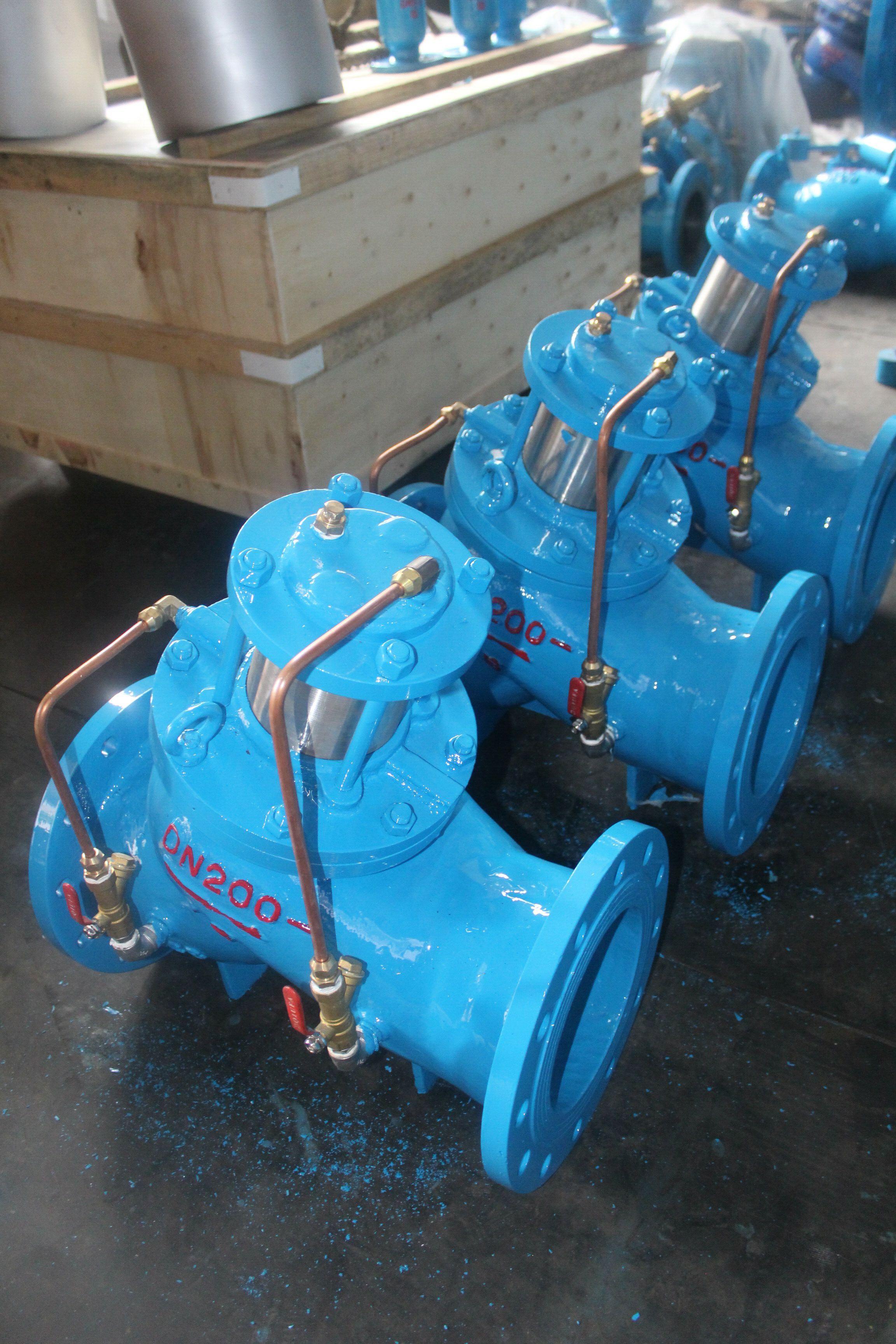
Understanding Pressure Control Valves A Key Component in Fluid Systems Pressure control valves play a crucial role in fluid systems, ensuring that the pressure within piping networks remains within designated limits. These valves are integral to various applications, including water treatment facilities, chemical processing, and HVAC systems. In this article, we will explore the working principles, types, and applications of pressure control valves, highlighting their importance in maintaining system efficiency and safety. What is a Pressure Control Valve? A pressure control valve (PCV) is a mechanical device used to modulate the pressure of fluids within a system. By automatically adjusting the flow rate of the fluid, these valves ensure that the pressure does not exceed or fall below the desired setpoint. This capability makes them essential for protecting equipment, enhancing efficiency, and ensuring safe operations. How Do Pressure Control Valves Work? The operation of a pressure control valve is relatively straightforward. These valves can be categorized into two primary functions pressure relief and pressure regulation. 1. Pressure Relief Valves These valves are designed to release excess pressure from the system. When the fluid pressure exceeds a specified threshold, the valve opens, allowing fluid to escape, thereby preventing damage to pipes and equipment. Once the pressure drops to acceptable levels, the valve automatically closes, restoring normal system conditions. 2. Pressure Regulating Valves Unlike relief valves, pressure regulating valves maintain a constant downstream pressure despite fluctuations in upstream pressure or flow rates. They achieve this by adjusting the valve opening in response to changes in pressure. When downstream pressure drops, the valve opens more to allow additional fluid flow; conversely, when the pressure is too high, the valve closes to restrict flow. Types of Pressure Control Valves Pressure control valves come in various designs, each suited for specific applications. Some of the most common types include - Spring-Loaded Valves These valves use a spring mechanism to provide the necessary force to open or close the valve in response to pressure changes. They are widely used in both pressure relief and regulation applications. pressure control valve - Pilot-Operated Valves These valves utilize a smaller pilot valve to control the opening and closing of a larger main valve, allowing for more precise control over the system pressure. They are particularly useful in high-pressure applications. - Electronic Valves With advancements in technology, electronic pressure control valves have emerged . These valves use sensors and actuators to provide real-time pressure regulation, allowing for more sophisticated and responsive pressure management. Applications of Pressure Control Valves Pressure control valves are used in a wide range of industries, including - Water and Wastewater Treatment PCVs ensure that pressure levels are maintained in treatment plants and distribution systems, safeguarding against system failures and ensuring effective water delivery. - Chemical Processing In chemical manufacturing, precise pressure control is often critical to ensure safety and product quality. PCVs help manage the pressure of various processes, preventing hazardous conditions. - Oil and Gas In the oil and gas industry, pressure control valves regulate the pressure in pipelines and processing facilities, preventing leaks and ensuring safe operations. - HVAC Systems In heating, ventilation, and air conditioning systems, PCVs help maintain optimal pressure levels, contributing to energy efficiency and system reliability. Conclusion In conclusion, pressure control valves are indispensable tools for managing fluid systems across diverse industries. Their ability to regulate and relieve pressure enhances operational safety, increases efficiency, and protects critical equipment from failure. As technology continues to evolve, the design and functionality of pressure control valves will likely become even more advanced, driving improvements in fluid management and system design. Understanding their importance and operation is essential for professionals working in fields involving fluid dynamics and process engineering.
about
round light up vanity mirror
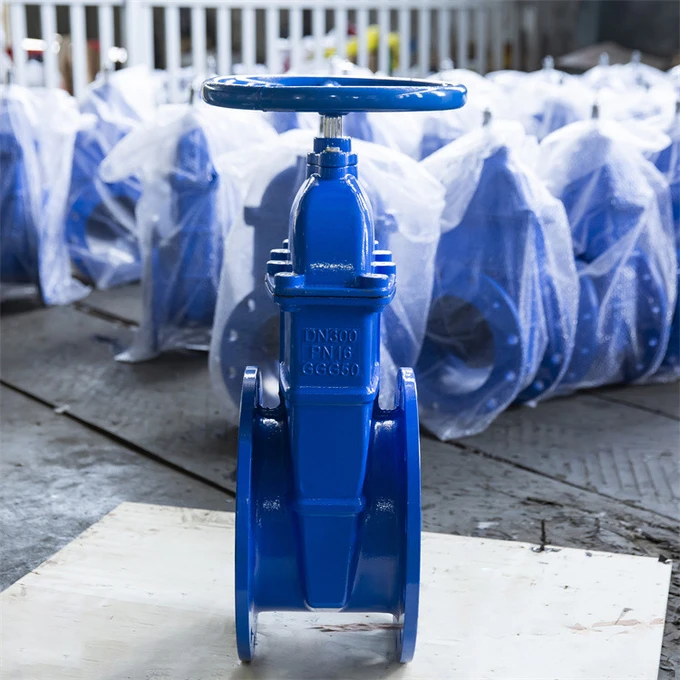
Understanding Gate Valve Pressure A Comprehensive Overview Gate valves are critical components in various industrial applications, especially in the oil and gas, chemical, water treatment, and power generation sectors. One of the key aspects of gate valve performance is their pressure rating, which determines their ability to withstand fluid pressure without leakage or failure. In this article, we will explore the concept of gate valve pressure, the factors influencing it, and the implications of pressure ratings in practical applications. What is Gate Valve Pressure? Gate valve pressure refers to the maximum pressure that a gate valve can safely handle while maintaining its integrity and functionality. Each gate valve is designed and manufactured to specific standards, often based on the material used, size, and intended application. The pressure rating is typically expressed in pounds per square inch (PSI) or bar and is a critical parameter in the selection and application of the valve. Importance of Pressure Ratings Pressure ratings are essential for several reasons 1. Safety Knowing the pressure rating of a gate valve ensures that it can handle the expected operating conditions without risk of failure, which could lead to catastrophic failures, leaks, or environmental hazards. 2. Performance Operating a valve beyond its rated pressure can significantly affect its lifespan and operational efficiency. High pressures can lead to increased wear and tear, causing premature failure. 3. Compliance Many industries are governed by strict safety regulations. Using valves that meet or exceed the required pressure ratings is often a legal obligation. Factors Influencing Gate Valve Pressure Ratings Several factors can influence the pressure ratings of gate valves 1. Material Composition The materials used in the construction of a gate valve play a crucial role in determining its pressure rating. Common materials include stainless steel, cast iron, and bronze. Each material has specific strength characteristics under pressure. gate valve pressure 2. Size and Design The diameter and overall design of the valve can affect its ability to withstand pressure. Larger valves may have lower pressure ratings compared to smaller valves due to differences in structure and support. 3. Temperature High temperatures can weaken materials, reducing their pressure handling capabilities. It is crucial to consider both operating pressure and temperature when selecting a gate valve. The pressure rating often decreases at elevated temperatures. 4. Manufacturing Standards Various standards, such as ASME (American Society of Mechanical Engineers) and API (American Petroleum Institute), dictate the testing and certification processes for valves. Valves manufactured to higher standards are typically rated for higher pressures. Applications of Gate Valves and Their Pressure Ratings Gate valves are commonly used in applications requiring a full flow of fluid and minimal pressure drop. Some common applications include - Oil and Gas Pipelines In the oil and gas industry, gate valves control the flow of hydrocarbons. The high-pressure environments in which they operate necessitate valves with robust pressure ratings to prevent leaks and ensure safety. - Water Distribution Systems Municipal water supplies rely on gate valves to regulate flow and isolate sections of the system for maintenance. The pressure ratings of these valves must meet or exceed the maximum operating pressure of the distribution system. - Chemical Processing In chemical plants, gate valves are used to control corrosive and high-pressure fluids. Selecting valves that can withstand both the chemical composition and pressure is crucial for safety and efficiency. Conclusion Understanding gate valve pressure is vital for engineers, operators, and maintenance personnel across various industries. The pressure rating is a key factor in ensuring safety, performance, and regulatory compliance. By taking into account the material, size, temperature, and applicable manufacturing standards, professionals can make informed decisions when selecting gate valves for their specific applications. This not only enhances system integrity but also contributes to operational efficiency and safety in effectively managing fluid systems. In an era where industrial safety and performance are paramount, the significance of understanding gate valve pressure cannot be overstated. As technology advances and industries evolve, the demand for reliable and robust gate valve solutions will continue to increase, underscoring the need for ongoing education and awareness in this critical field.
-

High quality industrial productsagement

High quality industrial products
View Details -

Meet the diverse needs of customers

Meet the diverse needs of customers
View Details -

Strict quality control

Strict quality control
View Details -

Top raw materials

Top raw materials
View Details -

Trusted supplier

Trusted supplier
View Details
Our application


news and information

Vibration Reduction Pads
Anti-Vibration Pads A Revolution in Equipment Protection In the modern world, vibration is an inevi

Y Type Strainer Applications in Industrial Water Filtration
Industrial water filtration is a critical process for maintaining operational efficiency, equipment
Valvola di ritegno 6an per sistemi idraulici e pneumatici di alta qualità
Il settore industriale moderno richiede soluzioni efficienti per il controllo del flusso di fluidi,
 English